Last updated on November 22nd, 2026 at 05:35 pm
Calathea Indoor Plants
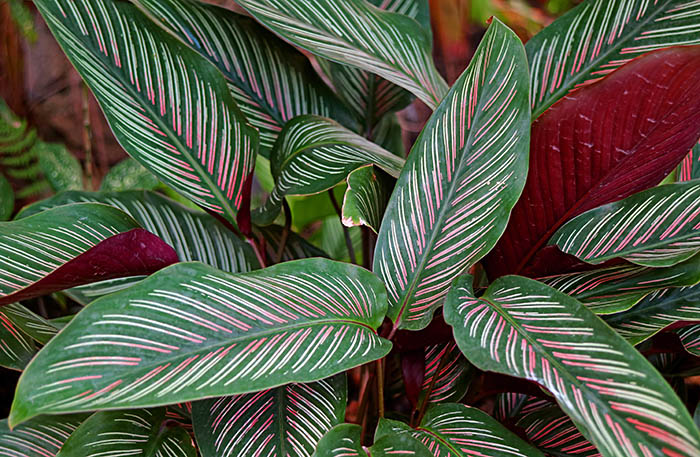
Calathea indoor plants add a splash of vibrant color and life to your indoor décor. Have you ever noticed their beautifully patterned leaves? These plants, also known as prayer plants, thrive in low-light settings, making them perfect for almost any room in your home.
They’re more than just pretty; they help purify the air, which is a nice bonus. Some folks worry about the care they might need, but with regular watering and keeping them away from direct sunlight, they’ll flourish. So, why not consider adding one to your space? They might just become your favorite houseplants. They are tropical plants but will do well indoors almost anywhere in the Southwest. There are many species, and the one below is the
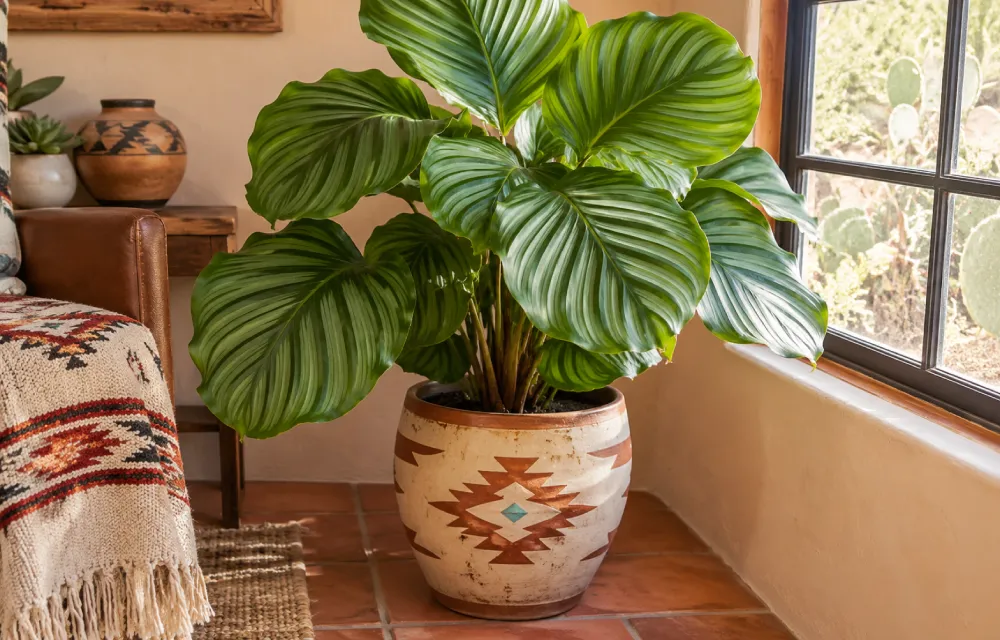
Orbifolia Calathea.
Orbifolia Calathea
The Calathea Ornata
The Rattlesnake Plant
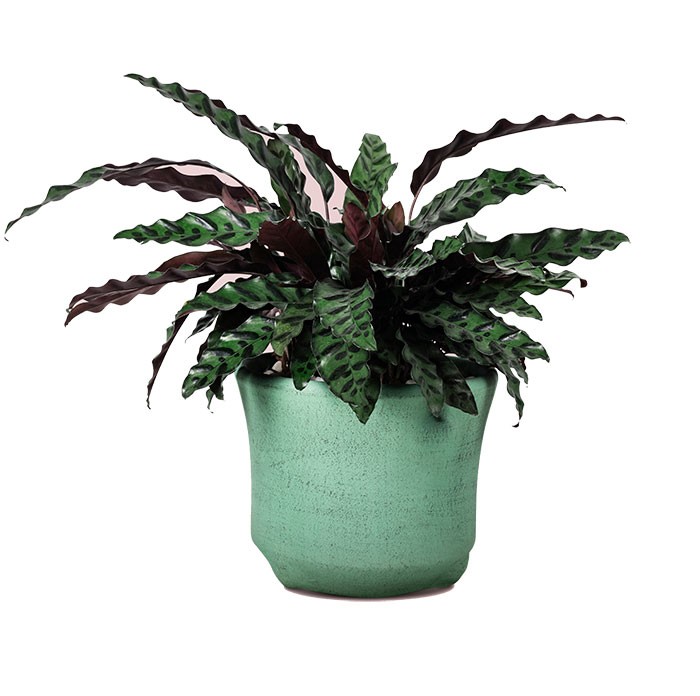 The Rattlesnake Plant, known scientifically as Calathea lancifolia, is a popular choice for indoor gardening enthusiasts. Why? Its striking foliage, with dark green patterns on top and a rich purple underside, adds a unique touch to any space.
These plants are not just eye candy; they thrive in average household conditions, though they do prefer indirect light and higher humidity. You might wonder how much care they need. Don’t fret—while they like a bit of moisture, they aren’t overly fussy. Just keep the soil slightly damp. Interested in bringing one home? Make sure to place it where it can enjoy some bright, filtered light but avoid direct sunlight that could harm its gorgeous leaves.
Calathea Zebra Plant

The Prayer Plant

The Prayer plants will open their leaves during sunshine, including artificial light, and will close when the sun goes down or the lights are turned off. It should be noted that the Prayer plant is also called the “Marantha Plant”.
How to care for Calathea plants
These houseplants love humidity, so placing them close to a high-humidity area is a good idea. Water them about once or twice per week, or let them slightly dry out before watering again. It is important to note that giving them more water does not mean more humidity. If leaves start to turn yellow, it means you are over-watering the plant.
Calathea Indoor Plants
Calatheas are part of the Marantaceae family, also known as the “Prayer Plant”. They like medium to indirect light but can be placed in low indirect light if needed. You might want to purchase a humidifier to help with indoor humidity.
You can maximize humidity by putting a larger pot and filling in the gaps with stones and soil to retain moisture. Place them in the bath or shower room. Mist them with a handheld sprayer. Do this every time you fertilize them.
Calathea plants do not like cold temperatures; anything below 60° Fahrenheit, and they will have a hard time looking good. Do not place them in front of the A/C vent or an entrance door, particularly if you live in areas where the winter seasons are long. Use good loamy potting soil/mix that will drain well in a container.
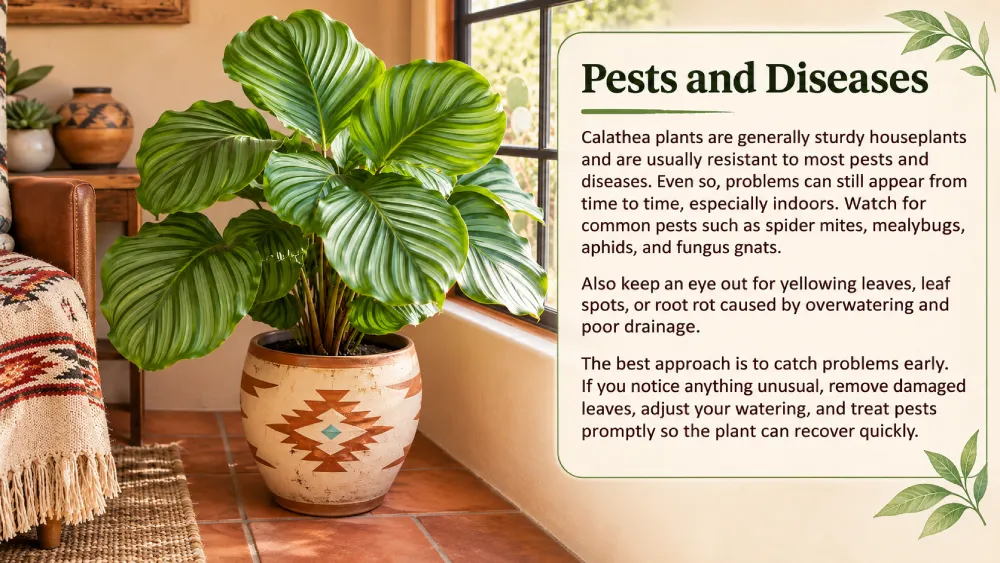
Pests and diseases. Calathea plants are durable and are pest-free and disease-resistant. But it is best to act quickly when you do see problems. The best organic thing to do is to use neem oil for the treatment of diseases or insects.
You can also visit Wikipedia for more information on these great-looking foliage plants.
Learn more about indoor houseplants here: How to care for indoor plants

New to Southwest Gardening?
Stop wasting money on plants that will not survive our heat and drought.
My Southwest Gardening Made Simple eBook shows you which trees, shrubs, flowers, and vegetables actually thrive in New Mexico, Arizona, and West Texas.
The best plants for hot, dry climates
Common mistakes that kill Southwest plants
Easy-to-follow advice for beginners

Paul Guzman is a lifelong Southwest gardener and gardening writer with decades of experience helping homeowners grow beautiful landscapes in the desert Southwest. He writes for Guzman’s Garden Centers in Las Cruces, New Mexico, with contributing expertise from Gary Guzman, owner of Guzman’s Garden Centers. If you have any questions or enjoyed this post, feel free to share your thoughts in the comments below.