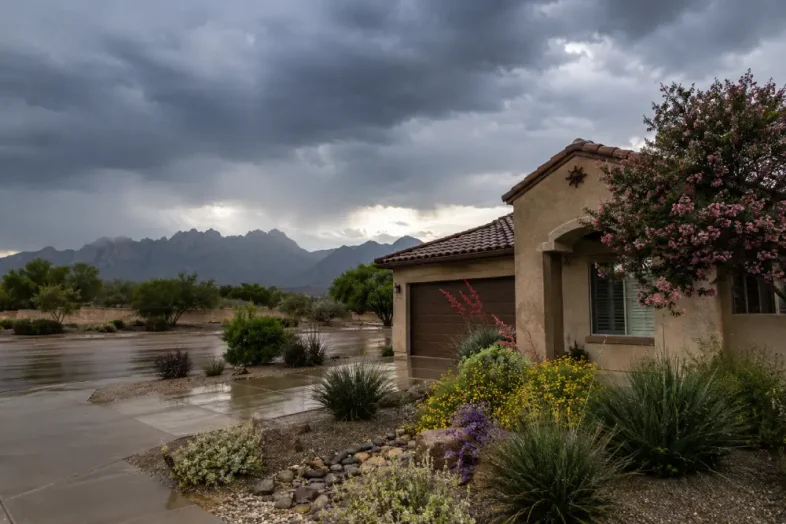
Prepare Your Southwest Garden for Monsoon Season. The arrival of the Southwest monsoon is welcome news after weeks of scorching temperatures. Afternoon thunderstorms can bring much-needed rain, cooler evenings, and relief for stressed plants. However, monsoon storms also bring strong winds, heavy downpours, flash flooding, hail, and sudden changes in soil moisture that can damage landscapes if you’re not prepared.
Taking a few simple steps before the storms arrive can help protect your trees, shrubs, flowers, and vegetable garden while keeping your irrigation system working properly. Here’s how to get your Southwest garden ready for monsoon season.
What Is the Southwest Monsoon?
The Southwest monsoon typically begins in late June or early July and lasts into September. During this time, moisture flows into the Desert Southwest, creating afternoon and evening thunderstorms. Some storms produce only light rainfall, while others can dump several inches of rain in a short period. Flash floods can occur where there is heavy rain.
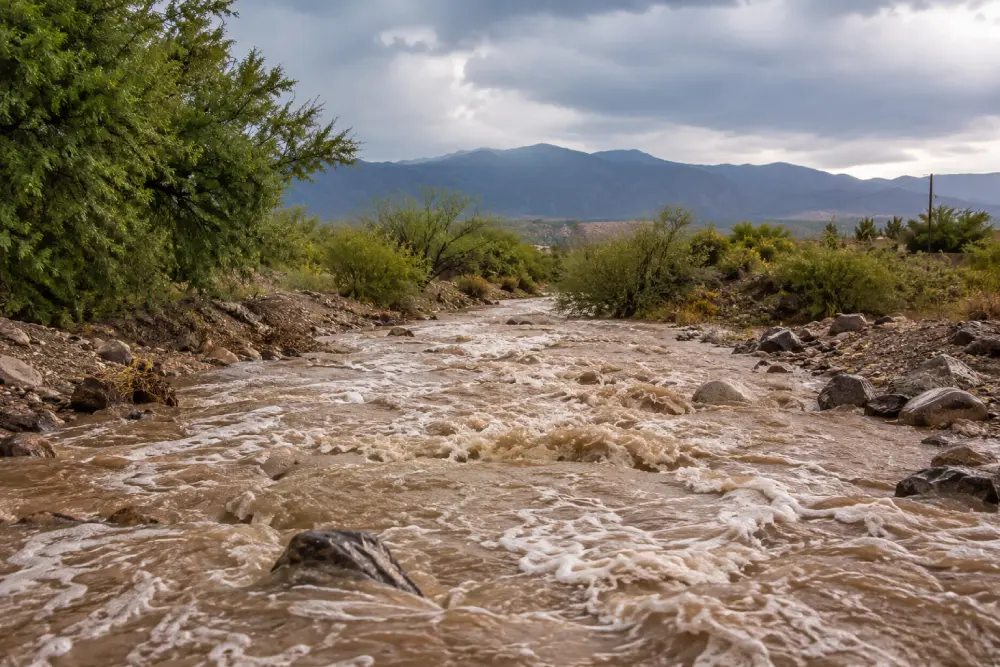
Although these storms are beneficial, they can also create problems if your landscape isn’t prepared.
1. Reduce Watering Before Rain Is Expected
One of the biggest mistakes homeowners make is continuing their normal irrigation schedule when rain is in the forecast.
If your soil is already moist, additional watering can oversaturate the root zone. Too much water reduces oxygen around plant roots and increases the chances of root rot, especially for desert-adapted plants.
If your area is expected to receive a soaking rain, consider skipping one irrigation cycle. After the storm, check the soil several inches below the surface before turning your drip system back on.
Remember, even if the top of the soil appears dry after a hot day, there may still be plenty of moisture deeper where the roots are growing.
2. Deep Water Before Extended Dry Periods
Not every monsoon storm reaches every neighborhood. One side of town may receive an inch of rain while another stays completely dry.
Continue deep watering your trees and shrubs if storms repeatedly miss your landscape. Established plants benefit from a slow, deep soaking that encourages roots to grow downward rather than staying near the surface.
Healthy deep roots help plants withstand both heat waves and periods between storms.
3. Inspect Your Drip Irrigation System
Now is an excellent time to inspect your irrigation system before heavy rains arrive.
Walk through your yard and look for:
- Broken emitters
- Clogged emitters
- Leaking tubing
- Loose fittings
- Damaged sprinkler heads
- Areas where water pools
Heavy rain can wash away soil and expose drip tubing, so inspect your system again after each major storm.
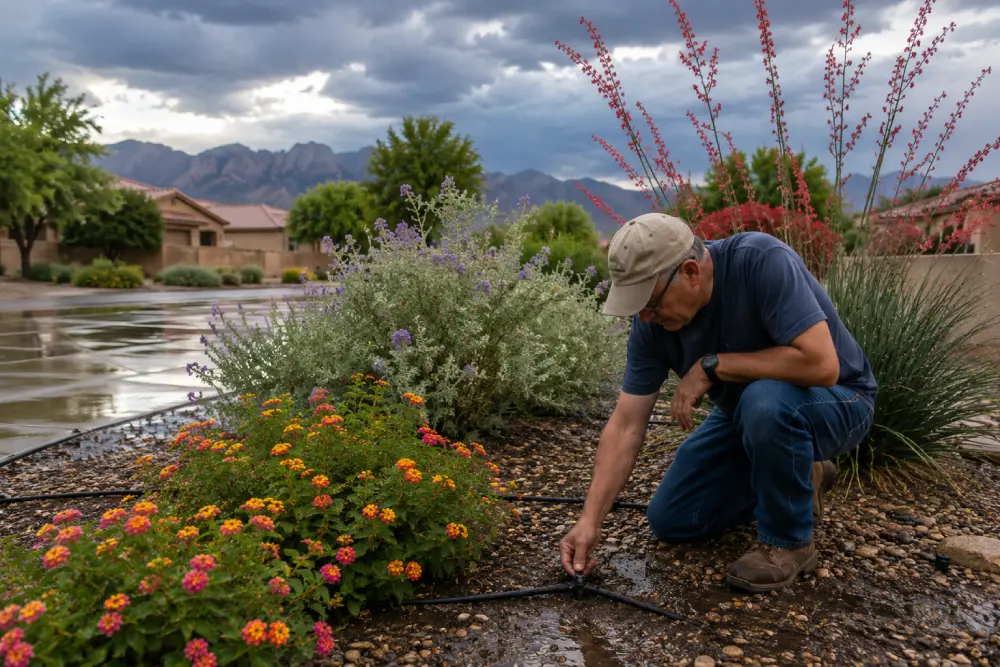
A homeowner inspecting a drip irrigation system beneath blooming lantana, Texas sage, and red yucca after a summer thunderstorm.
4. Secure Young Trees Before High Winds Arrive
Monsoon storms often produce wind gusts strong enough to snap branches or even uproot newly planted trees.
Check that young trees are properly staked without tying them too tightly. Tree ties should allow slight movement while still providing support.
Also inspect larger shade trees for dead or damaged limbs. Removing weak branches before storm season reduces the chance of storm damage.
5. Harvest Vegetables Before Major Storms
Heavy rain can split tomatoes, peppers, melons, and other vegetables that are nearly ripe.
If storms are forecast, harvest mature produce beforehand. You’ll enjoy better quality and reduced losses caused by cracking, bruising, or wind damage.
6. Watch for Fungal Diseases
Rain and increased humidity create favorable conditions for fungal diseases that are less common during the dry months.
Keep an eye out for:
- Powdery mildew
- Leaf spot
- Rust
- Root rot
Improve air circulation by pruning overcrowded plants and avoid watering foliage late in the day. If disease appears, remove infected leaves promptly to help prevent it from spreading.
7. Remove Weeds While the Soil Is Soft
After a good rain, weeds pull out much more easily because the soil is moist.
Removing weeds early prevents them from competing with your flowers, shrubs, and vegetables for water and nutrients. It also helps reduce weed seed production later in the season.
A fresh layer of mulch afterward can slow future weed growth while conserving soil moisture.
8. Refresh Mulch Around Plants
Organic mulch helps regulate soil temperature, reduces evaporation, and limits weed growth.
Maintain approximately 2 to 3 inches of mulch around trees, shrubs, and flower beds. Keep mulch several inches away from trunks and stems to prevent excess moisture from collecting against the bark.
Monsoon rains may wash mulch away in some areas, so inspect your beds after storms and redistribute it as needed.
9. Check for Drainage Problems
One heavy thunderstorm can reveal drainage issues you never knew existed.
After a storm, walk around your landscape and look for:
- Standing water
- Soil erosion
- Washed-out mulch
- Exposed roots
- Water flowing toward your home’s foundation
Correcting drainage problems now can prevent long-term damage to both plants and structures.
10. Delay Fertilizing During Extreme Heat
Many homeowners assume summer rain means it’s time to fertilize.
If temperatures remain near or above 100°F, it’s generally better to wait until conditions moderate before applying fertilizer to stressed plants. Fertilizing during periods of extreme heat may encourage tender new growth that struggles in high temperatures.
Healthy, well-watered plants respond much better to fertilizer once weather conditions become less stressful.
Plants That Love the Monsoon Season
Many landscape plants respond beautifully to increased humidity and summer rainfall.
Some favorites include:
- Lantana
- Yellow Bells (Esperanza)
- Red Yucca
- Desert Willow
- Crape Myrtle
- Rose of Sharon
- Gaura
- Vinca
- Moss Rose (Portulaca)
- Angelonia
With proper watering and occasional fertilizing, these plants often produce another flush of colorful blooms during the monsoon season.
National Weather Service – New Mexico Monsoon Awareness
How Often Should You Water Plants in Las Cruces NM? (Complete Desert Guide)
Final Thoughts
Monsoon season is one of the most exciting times of the year for Southwest gardeners. The combination of warm temperatures and much-needed rainfall often gives landscapes a fresh burst of growth.
A little preparation goes a long way. Inspect your irrigation system, protect young trees, adjust your watering schedule, and monitor plants for disease after storms. By staying ahead of the weather, your garden will be healthier, more resilient, and ready to thrive through the rest of the summer.
The storms may be unpredictable, but your garden doesn’t have to be.
New to Southwest Gardening?
Stop wasting money on plants that will not survive our heat and drought.
My Southwest Gardening Made Simple eBook shows you which trees, shrubs, flowers, and vegetables actually thrive in New Mexico, Arizona, and West Texas.
The best plants for hot, dry climates
Common mistakes that kill Southwest plants
Easy-to-follow advice for beginners
Instant PDF Download - Only $19

Greenhouse Manager, Master Gardener, and Webmaster.
If you have any questions or enjoyed this post, feel free to share your thoughts in the comments below.